UnderSpot Special Report

The Rubicon Has Been Crossed: Consequences for Dealers and Sellers
The physical precious-metals market is no longer merely strained.
It is fracturing in real time.
Over the past several weeks, participants across the wholesale ecosystem have reported longer settlement timelines, selective intake, widening spreads, and intermittent pauses in buying activity. These developments alone signaled stress.
What we are now seeing goes further.
Multiple major wholesale and refining channels have:
- Suspended or severely limited intake of silver
- Halted purchases of certain scrap categories, including gold
- Imposed temporary stoppages across specific fineness levels
- Implemented settlement structures that eliminate price certainty
This is not rumor.
This is not anticipation.
This is operational reality today.
What Has Changed: In Practice
The defining shift is not simply slower payments or temporary pauses.
It is this:
Material is increasingly being accepted, or rejected, without the ability to lock price, guarantee intake, or define settlement timing.
At the same time:
- Entire silver categories are being refused or deferred
- Scrap gold outlets are disappearing
- Consignment windows are closing
- Hedging costs and margin requirements are exploding
The system is not adjusting smoothly.
It is shedding risk by pushing it downstream.
Why This Is the Rubicon
The physical metals trade depends on three things:
- Known price
- Known counterparty
- Known timeline
Remove any one of those and business slows.
Remove all three and commerce stops.
Suspending price locks while extending settlement timelines forces dealers into open, unhedged exposure for weeks at a time. That is not a pricing inconvenience, it is a capital-threatening condition.
This is why this moment matters more than any delay or pause before it.
The Rubicon has been crossed because risk is no longer transferable.
Immediate Consequences for Dealers
Dealers are now operating under conditions where:
- Firm bids are disappearing
- Pricing must be widened dramatically to survive volatility
- Inventory cannot be safely replaced
- Capital is tied up for longer, with no certainty of outcome
- Traditional “buy, hedge, settle” workflows no longer function
As a result, many dealers will be forced to:
- Reduce or suspend buying altogether
- Move to brokerage or agency-only models
- Quote indicative, not firm, prices
- Limit product categories aggressively
This is not due to fear.
It is due to mechanical impossibility.
What This Means for Sellers
Retail and wholesale sellers will feel this next, and often without warning.
Expect:
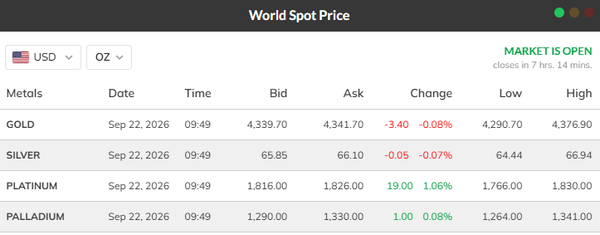
- Lower bids, even at high spot prices
- Delays measured in weeks or months
- Rejected material that was previously routine
- Greater scrutiny of packaging, paperwork, and fineness
- Outcomes that vary day-to-day based on backlogs
This will feel irrational to sellers watching spot prices rise.
It is not.
Spot price does not equal liquidity when the physical pipeline is constrained.
Why High Prices Are Making This Worse
Rapidly rising prices amplify every weakness in the system:
- Hedge margin requirements balloon
- Financing costs rise
- Inventory risk becomes asymmetric
- Errors become existential
In this environment, risk tolerance collapses faster than demand.
That is why intake pauses, category shutdowns, and scrap refusals are spreading — not receding.
This Is a Structural Event, Not a Headline
Markets can survive:
- Volatility
- High prices
- Speculation
They cannot survive uncertain settlement and unpriceable risk.
Once participants learn that they cannot rely on locks, timelines, or intake, behavior changes permanently:
- Capital retreats
- Credit tightens
- Volumes shrink
- Participants get smaller
Even if conditions stabilize later, the memory of this break remains.
Bottom Line
This is no longer a warning phase.
The physical precious-metals market is actively rationing risk, capacity, and trust.
Dealers are being forced to choose between participation and survival.
Sellers are about to discover that high spot prices do not guarantee an exit.
The Rubicon has been crossed and the consequences are unfolding now.