Underspot Special Report: Liquidty Crisis

The Liquidity Event No One Is Talking About
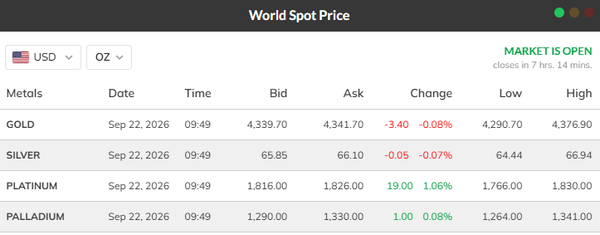
For weeks now, spot prices have dominated the conversation. Gold is strong. Silver is volatile. Premiums look, at least on the surface, relatively stable.
But focusing on spot right now misses the real story.
The physical bullion market is undergoing a quiet but meaningful shift, not in price, but in liquidity.
This Is Not a Price Crisis
There is no shortage of quoted bids. Dealer sheets still show numbers. Trades are still being “done.”
What’s changed is how long it takes to get paid.
Across multiple major distributors and wholesale counterparties, settlement timelines that were once measured in days are now stretching into weeks. Some long-standing immediate-payment programs have been discontinued entirely. Others now come with caveats, minimums, or delayed settlement windows.
In plain terms:
the money is moving slower.
That distinction matters more than most people realize.
Liquidity Is the Market
In a healthy physical market, capital turns quickly. Dealers can operate on thinner margins because cash is recycled efficiently. Inventory risk is limited because exits are reliable.
When settlement slows, everything changes.
A transaction that ties up capital for two to four weeks is not the same trade as one that settles in forty-eight hours, even if the spot price is identical. The time value of money, counterparty risk, and exposure to interim volatility all increase materially.
Those costs don’t show up on a chart, but they are very real.
Why Premiums Are Being Repriced
When you see buy prices widen or spreads increase, it’s tempting to assume greed or opportunism. In reality, what you’re seeing is risk being reintroduced into pricing after years of near-frictionless liquidity.
Dealers are being forced to answer a hard question:
“What does it actually cost to deploy capital when exits are slower and less certain?”
In today’s environment, a transaction that once made sense at razor-thin margins simply doesn’t anymore. That’s not a commentary on demand. It’s a reflection of financing reality.
The Telltale Signs
If you know where to look, the signals are everywhere:
- Extended settlement times becoming the norm, not the exception
- Fewer truly “live” bids behind quoted prices
- Grey-market liquidity quietly stepping away
- Large-format bullion becoming harder to move without pre-arranged buyers
- Small, retail-driven gold holding value better than large capital-intensive products
None of this suggests imminent collapse. It does suggest stress.
What This Means Going Forward
Markets don’t break all at once. They reprice risk incrementally until something forces the adjustment to be acknowledged.
Right now, the adjustment is happening in liquidity, not price.
That has several implications:
- Premiums may decouple from spot movements
- Size will matter more than ever
- Speed will have a cost
- Patience will be rewarded
- Strong balance sheets will outlast aggressive ones
For participants who understand this dynamic, the environment is manageable. For those assuming the old rules still apply, it may prove unforgiving.
Final Thought
The most dangerous assumption in any market is that today will function like yesterday.
The physical bullion market is still operating, but it is no longer operating the same way. Liquidity is being rationed quietly, upstream, and that reality is now flowing downstream into pricing, behavior, and risk tolerance.
Spot tells you where the metal is priced.
Liquidity tells you whether the market is healthy.
Right now, liquidity, not spot is the story.